Solar systems are designed to provide reliable and efficient power. However, there are times when homeowners or business owners notice that their system is not producing as much electricity as expected. This situation can be frustrating, especially when you depend on solar energy for daily operations.
Fortunately, low solar output does not always mean that your system is failing. In many cases, the problem can be identified and resolved quickly. Understanding the common causes of low solar output can help you restore performance and maximize your investment.
In this guide, we will explore the most common reasons for reduced solar production and practical steps to fix them.
Understanding Low Solar Output
Low solar output occurs when a solar system generates less electricity than expected.
This reduction can happen gradually or suddenly. Sometimes, weather conditions are responsible. In other cases, equipment issues or maintenance problems may be the cause.
Therefore, identifying the root cause is the first step toward restoring system efficiency.
For professional solar system inspections and maintenance services, homeowners and businesses can explore solutions at https://www.abujasolar.com.
Why Solar Output Matters
Your solar system’s output directly affects:
- Energy availability
- Battery charging performance
- Electricity savings
- Generator usage
- Return on investment
As a result, even a small drop in production can impact your overall energy experience.
Common Causes of Low Solar Output
1. Dirty Solar Panels
Dust and dirt are among the most common causes of low solar output.
Over time, panels collect debris such as:
- Dust
- Leaves
- Bird droppings
- Pollen
- Airborne pollution
These materials block sunlight from reaching the solar cells.
Consequently, the panels produce less electricity.
How to Fix It
- Inspect panels regularly.
- Clean panels when necessary.
- Remove leaves and debris.
- Schedule professional cleaning when needed.
2. Shading Issues
Solar panels require direct sunlight.
However, nearby objects can create unwanted shadows.
Common sources include:
- Trees
- Buildings
- Water tanks
- Satellite dishes
- Utility poles
Even partial shading can reduce overall system performance.
Therefore, it is important to monitor changes around your property.
Solution
Trim trees regularly and remove unnecessary obstructions whenever possible.
3. Cloudy or Rainy Weather
Weather naturally affects solar production.
Cloud cover reduces the amount of sunlight reaching the panels.
As a result, daily energy generation may decrease.
This reduction is usually temporary and should improve when weather conditions return to normal.
What to Do
- Compare output over several days.
- Monitor seasonal performance.
- Avoid assuming a system fault immediately.
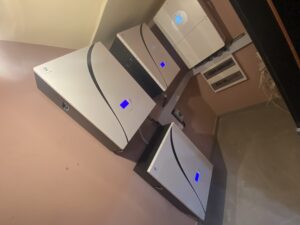
4. Battery Problems
A weak or aging battery can make it seem like your solar system is underperforming.
Batteries store excess energy for later use.
When they begin to degrade, energy storage capacity decreases.
Common Battery Issues
- Aging cells
- Overcharging
- Deep discharging
- High operating temperatures
- Poor maintenance
Consequently, available backup power may drop significantly.
Troubleshooting Tips
- Check battery status indicators.
- Review charging history.
- Schedule battery health assessments.
5. Inverter Faults
The inverter is often called the heart of a solar system.
It converts solar energy into usable electricity.
If the inverter develops a fault, output may decrease dramatically.
Warning Signs
- Error codes
- Frequent shutdowns
- Flashing warning lights
- Overheating
- Unusual sounds
Therefore, inverter monitoring is essential.
Solution
Consult a qualified solar technician if inverter warnings appear.
6. Loose or Damaged Wiring
Electrical connections can loosen over time.
Rodents, weather conditions, and aging components may also damage cables.
Consequently, power losses may occur throughout the system.
Signs of Wiring Problems
- Intermittent performance
- Burn marks
- Loose connectors
- Unusual system behavior
Professional inspections can quickly identify these issues.
7. Faulty Solar Panels
Although solar panels are highly durable, damage can occur.
Physical impacts, manufacturing defects, or extreme weather may affect performance.
Possible Problems
- Cracked glass
- Internal cell damage
- Water intrusion
- Hot spots
As a result, affected panels may produce less energy than expected.
Recommended Action
Arrange a professional inspection if panel damage is suspected.
8. Poor System Design
Some solar systems are not properly sized for the user’s energy needs.
Others may have installation mistakes that limit performance.
For example:
- Incorrect panel orientation
- Improper tilt angle
- Undersized inverter
- Poor battery matching
These issues can reduce output from the first day of operation.
Solution
Have your system evaluated by experienced solar professionals.
9. High Temperatures
Many people assume more heat equals more solar power.
However, excessive heat can actually reduce solar panel efficiency.
As temperatures rise, electrical resistance increases.
Consequently, power production may decline.
Prevention
- Ensure proper airflow beneath panels.
- Use quality installation methods.
- Choose reputable solar equipment.
10. Lack of Maintenance
A solar system requires periodic attention.
Without maintenance, small issues can become larger problems.
For instance, dirty panels combined with weak batteries may significantly reduce system performance.
Essential Maintenance Tasks
- Panel cleaning
- Battery inspection
- Wiring checks
- Inverter monitoring
- Performance testing
Regular maintenance helps keep output levels high.
Step-by-Step Troubleshooting Guide
If you notice reduced solar production, follow these steps:
Step 1: Check the Weather
Review recent weather conditions.
Cloudy days naturally reduce output.
Step 2: Inspect the Panels
Look for dirt, leaves, or visible damage.
Step 3: Check for Shading
Identify new shadows from trees or structures.
Step 4: Review Inverter Status
Look for error messages or warning indicators.
Step 5: Examine Battery Performance
Monitor charging levels and backup duration.
Step 6: Schedule Professional Inspection
If the issue persists, contact a qualified solar technician.
Real-Life Example
Imagine a business owner notices that battery charging takes longer than usual.
Initially, they suspect a battery fault.
However, a technician discovers that dust accumulation on the panels has reduced sunlight absorption by nearly 20%.
After cleaning the panels, system output improves immediately.
This example shows how simple issues can have a major impact on performance.
How to Prevent Low Solar Output
Prevention is always better than repair.
Consider these best practices:
- Clean panels regularly.
- Monitor system performance.
- Schedule annual servicing.
- Trim surrounding vegetation.
- Replace aging components.
- Address inverter warnings promptly.
These simple habits help maintain peak performance.
Why Professional Support Matters
Solar systems involve multiple components working together.
Diagnosing issues accurately requires experience and proper equipment.
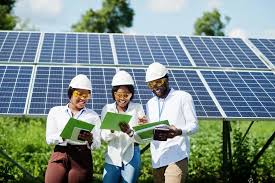
At Jeho Ashar Energy, professional inspections help identify hidden problems before they become costly failures.
Whether you need maintenance, troubleshooting, or system upgrades, you can learn more at https://www.abujasolar.com.
Conclusion
Troubleshooting low solar output begins with understanding the most common causes. Dirty panels, shading, battery issues, inverter faults, damaged wiring, and poor maintenance can all reduce system performance.
Fortunately, many of these problems can be resolved quickly through routine inspections and proper care. By addressing issues early, homeowners and businesses can enjoy reliable energy production and maximize their solar investment.
Final Thought
A drop in solar output should never be ignored. Small problems often become bigger ones over time. Regular maintenance and professional support can keep your solar system operating efficiently and delivering the power you depend on every day.