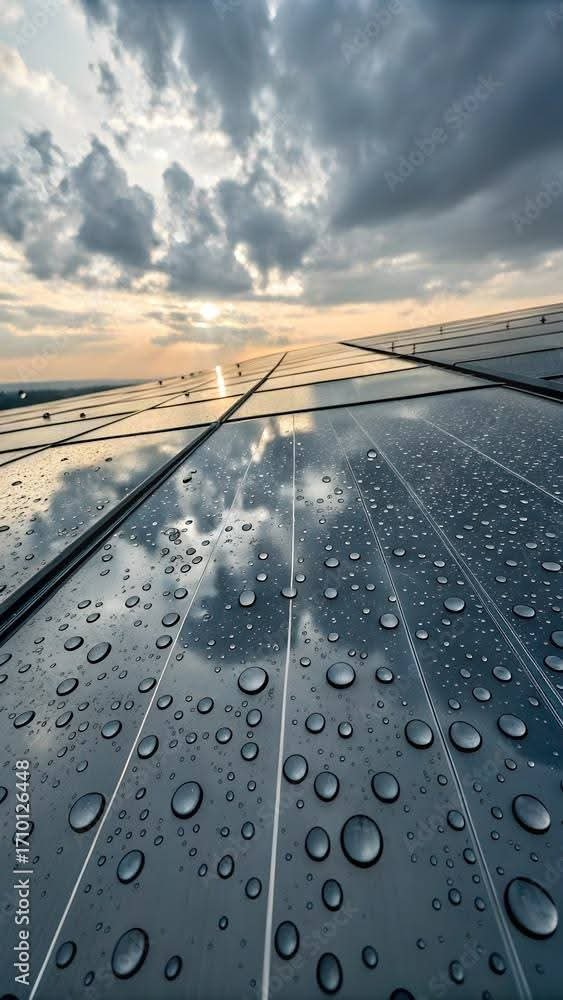
Solar panels work best when sunlight reaches their surface without obstruction. However, many solar owners overlook one simple problem: dust. It may seem harmless, yet dust can significantly affect how much electricity a solar system produces.
In many parts of Nigeria, dust is a common challenge. Dry seasons, construction activities, unpaved roads, and strong winds can all contribute to dust accumulation. As a result, solar panels may generate less power than expected.
So, does dust affect solar efficiency? The simple answer is yes. Dust can reduce solar panel performance, lower battery charging rates, and affect overall system efficiency. Fortunately, regular maintenance can prevent these issues.
In this article, we explain how dust affects solar systems, the signs to watch for, and practical ways to keep your panels performing at their best.
Understanding How Solar Panels Generate Power
Solar panels convert sunlight into electricity. The more sunlight they receive, the more energy they produce.
The glass surface of a solar panel is designed to allow sunlight to pass through easily. However, when dust settles on that surface, it creates a barrier.
As a result, less sunlight reaches the solar cells beneath. Consequently, energy production decreases.
Even a thin layer of dust can have a noticeable impact over time.
Does Dust Affect Solar Efficiency?
Yes, dust affects solar efficiency in several ways.
First, dust blocks sunlight from reaching the solar cells. Second, accumulated dirt creates uneven shading across the panel surface. Third, heavy dust buildup can increase panel temperatures, reducing efficiency even further.
Therefore, a dusty panel rarely performs at its maximum capacity.
In some cases, energy production may drop by 5% to 30%, depending on the amount of dirt present.
The longer dust remains on the panels, the greater the performance loss.
Why Dust Is a Common Problem in Nigeria
Nigeria experiences long dry seasons in many regions. During these periods, airborne dust becomes more common.
Several factors contribute to dust buildup:
- Harmattan winds
- Construction projects
- Busy roads
- Industrial activities
- Dry weather conditions
- Agricultural operations
Furthermore, homes located near major roads often experience faster dust accumulation.
As a result, solar systems in these environments require more frequent cleaning.
How Dust Reduces Solar Output
Reduced Sunlight Absorption
This is the most direct effect.
Dust blocks incoming sunlight. Therefore, the solar cells receive less energy.
Consequently, electricity production drops.
Uneven Energy Production
Dust does not always settle evenly.
Some sections become dirtier than others. As a result, certain cells receive less sunlight.
This uneven exposure can affect the performance of entire panel strings.
Slower Battery Charging
When solar production decreases, battery charging slows down.
Therefore, batteries may not reach full charge during the day.
This can reduce backup power availability at night.
Lower System Efficiency
Over time, dust causes the entire solar system to operate below its designed capacity.
Although the equipment remains functional, performance suffers.
Signs Dust Is Affecting Your Solar System
Many people assume their system has a technical fault when output drops. However, the problem may simply be dirty panels.
Watch for these signs:
- Reduced daily energy production
- Slower battery charging
- Increased generator usage
- Lower inverter readings
- Reduced backup time
- Visible dirt on panels
If these issues appear suddenly during dry seasons, dust could be the cause.
How Much Efficiency Can Be Lost?
The amount varies depending on location and conditions.
For example:
- Light dust may reduce output by 5%
- Moderate buildup may reduce output by 10% to 20%
- Heavy accumulation may reduce output by 30% or more
In extreme cases, particularly during Harmattan, losses can become significant if panels remain uncleaned for extended periods.
Therefore, regular inspection is important.
Real-Life Example
Imagine two neighboring homes.
Both use identical solar systems.
The first homeowner cleans the panels regularly. The second homeowner ignores maintenance for several months.
After some time, the first system continues charging batteries efficiently. Meanwhile, the second system struggles to meet daily energy demands.
The difference is not equipment quality.
The difference is maintenance.
This simple example highlights why dust management matters.
Which Areas Accumulate Dust Faster?
Some locations experience more dust than others.
These include:
Homes Near Busy Roads
Passing vehicles constantly stir up dust particles.
Consequently, panels become dirty more quickly.
Construction Zones
Building activities generate large amounts of dust.
Therefore, nearby solar systems often require more frequent cleaning.
Rural Areas
Dry farmland and open land can create dusty conditions.
Wind easily carries soil particles onto solar panels.
Industrial Areas
Factories and industrial operations may release airborne particles.
As a result, panel surfaces become coated faster.
How Often Should Solar Panels Be Cleaned?
There is no single answer.
The ideal cleaning schedule depends on local conditions.
Generally:
- Low-dust environments: every 3–6 months
- Moderate-dust environments: every 2–3 months
- High-dust environments: monthly inspections
However, visual inspections should occur regularly.
If dirt is clearly visible, cleaning may be necessary.
Best Practices for Cleaning Solar Panels
Proper cleaning helps restore efficiency safely.
Follow these tips:
Use Clean Water
Clean water removes dust effectively.
Avoid dirty or muddy water.
Clean During Cooler Hours
Early morning works best.
Alternatively, clean in the evening.
Hot panels may crack if cold water is applied suddenly.
Use Soft Materials
Choose:
- Soft cloths
- Non-abrasive sponges
- Soft brushes
Avoid hard scrubbing tools.
Avoid Harsh Chemicals
Strong chemicals can damage protective coatings.
Mild soap and clean water are usually sufficient.
Prioritize Safety
Never climb roofs without proper safety equipment.
If access is difficult, contact professionals.
Can Rain Clean Solar Panels?
Rain can help.
However, rain alone is not always enough.
Light rainfall may wash away loose dust. Meanwhile, stubborn dirt often remains attached to the surface.
Furthermore, rainwater can leave residue behind.
Therefore, manual cleaning may still be necessary.
Regular inspections help determine whether additional cleaning is required.
Other Factors That Reduce Solar Efficiency
Dust is important, but it is not the only factor.
Other issues include:
- Shading from trees
- Incorrect panel angles
- Faulty wiring
- Aging batteries
- Damaged solar cells
- Poor inverter performance
Therefore, if cleaning does not improve output, a professional inspection may be needed.
Benefits of Keeping Panels Clean
Clean panels offer several advantages.
These include:
- Higher energy production
- Faster battery charging
- Improved system efficiency
- Better return on investment
- Longer equipment lifespan
- Reduced energy shortages
Consequently, regular cleaning helps protect your solar investment.
Why Professional Maintenance Matters
While basic cleaning is helpful, professional maintenance provides deeper insights.
A qualified technician can:
- Check panel performance
- Inspect electrical connections
- Identify hidden faults
- Verify inverter settings
- Evaluate battery health
At Jeho Ashar Energy, proper maintenance is a key part of ensuring long-term solar performance.
For expert guidance and professional solar solutions, visit https://www.abujasolar.com.
Conclusion
Dust may seem like a minor issue, but it can significantly affect solar efficiency. By blocking sunlight and reducing energy production, dust can limit the performance of even the best solar systems.
Fortunately, regular inspections and proper cleaning can prevent these problems. In addition, maintaining clean panels helps maximize energy generation, improve battery charging, and extend system lifespan.
Whether you own a residential or commercial solar system, keeping your panels clean is one of the simplest ways to improve performance.
Final Thought
A solar system is an investment. Like any investment, it performs best when properly maintained. Don’t let a layer of dust reduce your energy savings. A clean panel is often a more productive panel.