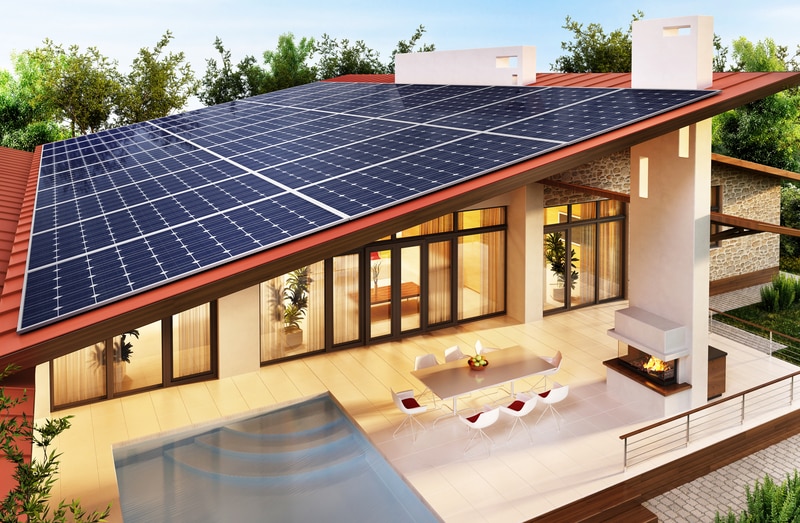
When people plan a solar system, they often focus on panel capacity first. They may ask how many panels are needed, how much power the inverter can handle, or how much electricity the system can generate during the day. However, generation is only one part of the equation, because some homes need considerably more battery storage than solar generation capacity to meet their actual energy needs.
A home can have strong solar production during the day and still require substantial battery storage. This is especially true when most electricity is used after sunset, during power outages, or during periods when solar production is unavailable. In such cases, the battery becomes the bridge between daytime generation and nighttime consumption.
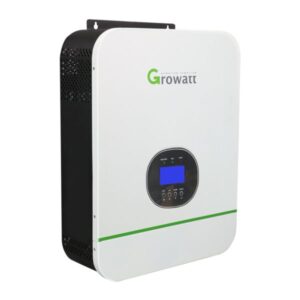
Understanding this difference is important before buying solar equipment. A system with plenty of panels but insufficient storage may produce enough electricity during the afternoon, yet struggle to provide reliable backup overnight. At Jeho Ashar Energy, we help customers consider the complete system rather than focusing on a single component. Our solutions include premium solar panels, hybrid and high-voltage inverters, lithium batteries, rails, cables, and protective devices.
You can explore our solar solutions at https://www.abujasolar.com.
What Is The Difference Between Generation And Storage?
Solar generation refers to the electricity produced by your solar panels. The amount generated changes throughout the day because sunlight is not constant, while weather, temperature, shading, and panel orientation can also influence production. In contrast, battery storage determines how much of that generated energy can be saved and used later.
For example, your solar panels may generate significant power between morning and afternoon. However, your household may use relatively little electricity during those hours because everyone is away at work or school. The unused energy can then be stored in batteries for use during the evening and overnight.
This is why generation and storage should not be treated as the same thing. A system can generate plenty of electricity without having enough storage to carry that energy into the night.
Why Some Homes Need More Storage
1. Most Electricity Is Used At Night
One of the biggest reasons some homes need more storage is their usage pattern. Many households consume more electricity after sunset, when solar panels are no longer producing meaningful power.
During the day, the house may be mostly empty because family members are working or attending school. However, electricity consumption can increase significantly once everyone returns home, with lighting, televisions, fans, refrigerators, air conditioners, cooking equipment, and other appliances operating at the same time.
In this situation, additional solar generation during the afternoon may not solve the main problem. The home needs enough battery capacity to store daytime energy and deliver it when demand increases later.
2. The Home Needs Long Backup Hours
Some households want solar primarily for backup rather than daytime energy savings. They may experience frequent grid outages and need their essential appliances to continue operating for several hours.
A system designed for short outages may require much less storage than one designed to operate through an entire night. Therefore, the expected backup duration becomes an important part of battery sizing.
For example, a homeowner may only need enough energy for lighting, fans, a television, and internet equipment during a short outage. Another homeowner may want refrigerators, freezers, pumps, security systems, office equipment, and cooling systems to remain operational throughout the night.
The second home will naturally require much more usable battery storage.
3. Heavy Nighttime Loads Increase Storage Needs
Some appliances can consume substantial amounts of energy over several hours. Air conditioners are a common example, particularly when they operate throughout the night.
Water pumps, freezers, refrigerators, entertainment systems, and multiple fans can also contribute to overnight consumption. When several of these appliances operate together, the battery can discharge much faster than a homeowner expects.
This is why battery sizing should consider actual energy consumption rather than simply counting appliances. Two homes may have the same number of rooms and similar solar panels, yet require very different battery capacities because their electricity usage is different.
4. Some Homes Have Limited Daytime Consumption
A home that uses very little electricity during the day may have more unused solar energy available for storage. However, the household may need most of that stored energy later.
Consider a family that leaves home around 7 a.m. and returns around 6 p.m. Their solar panels may produce electricity for most of the day, but their major household loads begin after sunset.
In this case, battery storage becomes extremely important because the timing of energy production does not match the timing of energy consumption.
The goal is therefore not simply to produce more electricity. The goal is to produce enough electricity and store enough of it for when the household actually needs it.
5. Homes With Frequent Power Outages Need More Reserve
Grid reliability can also influence storage requirements. If electricity outages are short and predictable, a homeowner may only need modest battery capacity.
However, longer or unpredictable outages require a larger energy reserve. A battery that lasts four hours may be adequate for one household but completely unsuitable for another that expects overnight backup.
Therefore, the expected outage duration should be considered during system design. It is better to size the system around realistic usage than to assume every outage will be short.
Battery Capacity Is Not The Same As Usable Energy
A battery’s advertised capacity does not always represent the amount of energy you should expect to use freely. Battery systems have operating limits designed to protect the battery and maintain reliable performance.
For lithium battery systems, usable energy depends on factors such as the battery’s specifications, inverter settings, operating conditions, and state of charge. Therefore, simply adding up the battery’s rated capacity may not provide an accurate picture of real-world backup time.
This is particularly important when comparing different battery options. Two batteries with similar advertised capacities may not deliver identical practical performance under every operating condition.
A Simple Example
Imagine a home with a 5kW solar system and a 10kWh battery bank. During the day, the solar panels generate enough electricity to run household appliances and charge the batteries.
By evening, however, the solar panels stop producing useful power. The family then starts using several fans, lights, a television, a refrigerator, and an air conditioner.
If those loads consume energy quickly, the 10kWh battery may not last until morning. Increasing solar generation alone may not solve the problem because there is already enough daytime generation to charge the battery.
In this situation, the homeowner may need additional storage rather than significantly more panels.
When More Solar Generation Is More Important
More storage is not always the answer. Some homes actually need more solar generation because their batteries cannot receive enough energy during the day.
For example, a home may have a large battery bank but relatively few solar panels. The batteries may start each evening only partially charged because the panels cannot replace the energy used previously.
In that situation, adding more battery capacity could make the problem worse. The larger battery would simply take longer to recharge.
Therefore, the right solution depends on what is limiting the system.
You May Need More Generation If:
- Your batteries rarely reach a sufficient charge level.
- Daytime solar production is consistently too low.
- Household loads consume most solar energy immediately.
- Cloudy periods frequently leave the batteries undercharged.
- The existing panel capacity cannot recharge the battery bank.
You May Need More Storage If:
- Your batteries reach full charge regularly.
- Most electricity consumption happens after sunset.
- The battery reaches a low level before morning.
- Your home requires longer backup periods.
- Daytime solar generation is already sufficient.
Why Battery Sizing Should Start With Energy Usage
Battery sizing should begin with your actual energy requirements. Before choosing a battery bank, determine how much electricity the home consumes and when that electricity is used.
A simple energy audit can provide useful information. Review your inverter monitoring data, electricity bills, appliance ratings, and typical usage patterns to estimate daily and nighttime consumption.
Pay particular attention to the hours when solar production is unavailable. If most of your energy demand occurs during those hours, battery storage deserves greater attention.
This approach produces a much more useful system design than simply choosing a battery based on its advertised capacity.
Why Inverter Capacity Also Matters
Battery storage cannot be considered separately from the inverter. The inverter must be capable of handling the loads you want to operate while also supporting the battery configuration.
For example, a large battery does not automatically mean you can operate every appliance simultaneously. The inverter still has a maximum power output, while appliances may have high startup requirements.
This is especially important for homes using pumps, compressors, air conditioners, and other motor-driven equipment. Proper system design must consider both the amount of energy required and the amount of power needed at any given moment.
Choosing The Right Battery Configuration
Lithium batteries are widely used in modern solar systems because they can provide reliable energy storage when correctly sized and installed. However, the right battery configuration depends on the system’s voltage, inverter compatibility, required capacity, and expected loads.
For smaller systems, 48V battery solutions can be suitable for many residential applications. Larger systems may benefit from high-voltage battery configurations, especially where greater storage capacity and higher power requirements are involved.
Jeho Ashar Energy supplies lithium battery solutions alongside hybrid and high-voltage inverter options. This allows the different parts of the system to be considered together rather than selected independently.
Practical Tips For Better Storage Planning
Before increasing your battery capacity, consider these practical steps:
- Review your actual nighttime energy consumption.
- Check how much solar energy reaches the batteries daily.
- Monitor your battery level before bedtime.
- Check the battery level again each morning.
- Identify appliances that consume the most energy.
- Separate essential loads from non-essential loads.
- Consider expected outage duration.
- Check the inverter’s maximum output.
- Confirm battery and inverter compatibility.
- Leave room for future energy requirements.
These steps can prevent unnecessary spending. They can also help you understand whether your system needs more generation, more storage, or better energy management.
More Storage Does Not Always Mean Better
It can be tempting to assume that the largest battery is automatically the best option. However, oversized storage can be inefficient if the system does not have enough solar generation to recharge it consistently.
For example, installing a very large battery bank with limited panel capacity may leave the batteries partially charged for long periods. The system may then fail to deliver the backup performance the homeowner expected.
Likewise, installing excessive solar generation without enough storage may result in unused energy during periods of low household consumption.
The best system is therefore a balanced system. It should match generation, storage, inverter capacity, and actual household demand.
How Jeho Ashar Energy Can Help
At Jeho Ashar Energy, we understand that every home has different energy requirements. A family using mostly daytime electricity will have different needs from a household that depends heavily on nighttime backup.
Our product range includes premium solar panels, hybrid inverters, high-voltage inverters, and lithium batteries. We also supply the supporting components required for a properly designed solar installation.
Rather than choosing equipment based only on advertised power ratings, consider how the entire system will operate throughout the day and night. Proper planning can help you achieve better backup performance while avoiding unnecessary equipment costs.
Conclusion
Why some homes need more storage than generation comes down to energy timing. Solar panels produce most of their energy during daylight hours, while many homes consume a large portion of their electricity after sunset.
When nighttime consumption is high, battery storage becomes essential. However, storage should not be increased blindly, because a larger battery still needs enough solar generation to recharge properly.
The right balance depends on your energy consumption, backup requirements, solar production, inverter capacity, and future needs. Therefore, proper system sizing should always consider the complete picture.
A well-designed solar system does more than generate electricity. It stores energy when it is available and delivers that energy when your home needs it most.
Final Thought
Before adding more panels or batteries, understand what your home actually needs. Your system may need more storage, more generation, or simply better energy management.
The right balance can provide longer backup, better energy use, and a more reliable solar experience.
Learn more about quality solar solutions at https://www.abujasolar.com