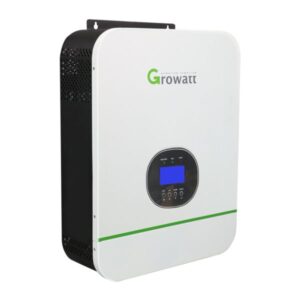
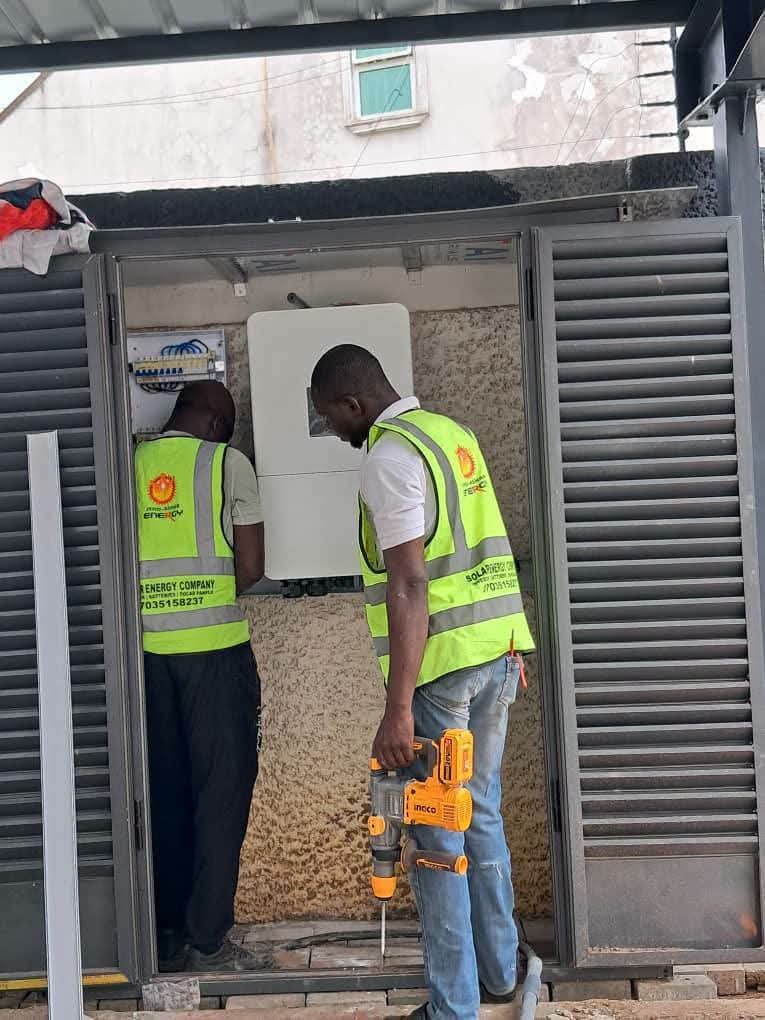
A solar system should provide dependable power. However, frequent tripping can become frustrating. Your lights may suddenly go off. Your inverter may also shut down unexpectedly.
This usually indicates a protection response. The system detects an unusual electrical condition. Therefore, it disconnects power for safety. This protection helps prevent equipment damage.
But why does your solar system trip frequently? Several issues can cause this problem. Some are simple load-related problems. Others require professional troubleshooting.
Understanding the cause helps prevent bigger problems. It also protects your inverter and batteries. Most importantly, it keeps your home powered reliably.
What Does It Mean When Solar Trips?
A solar system trip means automatic shutdown. The inverter or protection device disconnects power. This happens when abnormal conditions are detected.
For example, the system may detect excessive current. It could also detect unusual voltage. Furthermore, overheating can trigger protective shutdowns.
Different systems can trip differently. Your inverter may display an error code. A breaker may also switch off. Meanwhile, battery protection can disconnect the supply.
Therefore, always check the warning displayed. The specific message provides useful information.
Common Reasons Your Solar System Trips
Several factors can cause frequent solar trips. The most common include:
- Excessive electrical load
- Inverter overload
- Short circuits
- Low battery voltage
- High battery temperature
- High inverter temperature
- Incorrect system sizing
- Poor electrical connections
- Faulty protection devices
- Unstable grid power
- Solar input problems
- Incorrect inverter settings
Let’s examine these causes closely.
1. Your Electrical Load Is Too High
One major cause is excessive power demand. Your appliances may exceed inverter capacity. Consequently, the inverter enters protection mode.
This often happens during peak usage. Several heavy appliances may run simultaneously. For example, air conditioners consume substantial power.
Other demanding appliances include:
- Electric kettles
- Water heaters
- Electric cookers
- Refrigerators
- Freezers
- Water pumps
- Washing machines
- Microwave ovens
- Irons
Imagine a 10kW inverter installation. The household suddenly starts several heavy appliances. The combined demand may exceed available capacity.
The inverter then protects itself. It may trip or shut down. Therefore, managing heavy loads becomes important.
2. The Inverter May Be Undersized
An undersized inverter can struggle frequently. This happens when demand exceeds its rating. Repeated overloads can cause regular shutdowns.
For example, consider a large home. The home uses multiple air conditioners. It also operates pumps and kitchen appliances.
A small inverter may not handle everything. Therefore, the system needs proper load assessment.
Before installation, professionals should assess your usage. They should calculate peak household demand. They should also consider appliance starting currents.
Proper sizing prevents unnecessary system trips. It also improves overall system performance.
3. Short Circuits Can Cause Immediate Trips
Short circuits are serious electrical faults. They can cause protection devices to disconnect power. Consequently, your solar system may shut down.
A short circuit can occur anywhere. Damaged cables can create dangerous connections. Poor installation can also create faults.
Look for warning signs such as:
- Burning smells
- Melted cable insulation
- Discolored terminals
- Sparks
- Hot cables
- Repeated breaker trips
Never ignore these signs. Do not continue resetting the breaker repeatedly. Instead, isolate the system safely.
A qualified solar technician should inspect it. Electrical faults require proper testing equipment.
4. Low Battery Voltage Can Cause Trips
Your inverter depends heavily on battery voltage. When voltage becomes too low, protection may activate.
This can happen after heavy nighttime usage. It can also happen when batteries remain undercharged. Consequently, the inverter may disconnect the load.
Battery capacity should match household consumption. A small battery may drain quickly. Therefore, proper battery sizing is essential.
Lithium batteries provide useful monitoring features. Their internal Battery Management System helps protect the battery.
However, protection does not replace proper system design. Your battery bank still needs adequate capacity.
5. Your Battery May Be Overheating
Temperature affects battery performance and safety. Excessive heat can trigger protective shutdowns. Therefore, battery ventilation matters greatly.
Battery temperature can increase during heavy usage. It can also rise during high-current charging.
Keep battery installations properly ventilated. Avoid placing batteries beside heat sources. Additionally, keep ventilation openings unobstructed.
Never cover battery ventilation areas. Do not install batteries carelessly. Proper installation improves long-term reliability.
6. The Inverter May Be Overheating
Inverters also produce operating heat. However, excessive heat can trigger protection. This may cause frequent system trips.
Poor ventilation is a common problem. Direct sunlight can also increase temperatures. Dust buildup may restrict airflow.
Install your inverter in a suitable location. Keep adequate space around the unit. Furthermore, avoid enclosed areas without ventilation.
Watch for overheating warnings. Also, check whether trips occur during heavy usage.
7. Poor Cable Connections Can Cause Problems
Electrical connections must remain secure. Loose connections can create resistance and heat. Consequently, system protection may activate.
Cable size also matters significantly. Undersized cables can struggle with high currents. This can cause voltage drops and heating.
Professional installation should include proper cable selection. Terminals should also be correctly secured.
Never improvise with undersized cables. Avoid unsafe extension arrangements. High-current solar systems require proper installation standards.
8. Grid Power Can Trigger Trips
Some solar systems use grid power. Unstable grid electricity can affect inverter operation. Consequently, the system may disconnect automatically.
Grid voltage can fluctuate significantly. Some inverters respond to these fluctuations. They may protect connected equipment.
For example, the inverter may detect excessive voltage. It may then disconnect from the grid. The system can reconnect once conditions normalize.
If trips happen whenever grid power returns, investigate further. The problem may involve grid voltage conditions.
9. Solar Input Can Become Unstable
Solar panels supply energy during daylight hours. However, several factors can affect solar input.
Shading can reduce panel performance. Damaged cables can also affect production. Loose connections may create unstable readings.
Incorrect panel configuration can create problems too. The inverter must operate within its input limits.
Therefore, solar array design is extremely important. Panel voltage and current must remain compatible.
10. Protection Devices May Be Faulty
Protection devices help safeguard your system. These include breakers and surge protection devices. However, faulty devices can also cause problems.
A weak breaker may trip unnecessarily. A damaged protection device may behave unpredictably.
Do not bypass protection devices. They exist for an important reason. Instead, have them professionally tested.
A qualified technician can identify faulty components. They can also verify correct ratings.
How To Troubleshoot Frequent Solar Trips
Start with simple observations first. Note exactly when the system trips.
Ask yourself these questions:
- Does it trip during daytime?
- Does it trip at night?
- Does heavy usage trigger it?
- Does grid power trigger it?
- Does it happen during charging?
- Does the inverter show an error?
- Does the battery show a warning?
These details help identify patterns.
Step 1: Check the Inverter Display
Look for error messages. Record any displayed fault codes. Your inverter manual can explain them.
Step 2: Reduce Electrical Loads
Switch off heavy appliances temporarily. Then observe system behavior. If tripping stops, overload may be responsible.
Step 3: Check Battery Information
Review battery voltage and charge level. Check for temperature warnings. Lithium batteries may also show protection alerts.
Step 4: Check System Ventilation
Make sure airflow remains unrestricted. Remove objects blocking ventilation areas. Avoid placing heat sources nearby.
Step 5: Monitor Solar Production
Compare solar production during good sunlight. Unexpectedly low production deserves investigation.
Step 6: Contact a Qualified Technician
Persistent trips require professional inspection. Avoid opening electrical equipment yourself. Incorrect handling can create serious hazards.
How To Prevent Frequent Solar Trips
Prevention starts before installation. Your system should match your energy requirements. Therefore, proper system design is essential.
Consider these best practices:
- Perform a proper site assessment.
- Calculate your peak power demand.
- Size your inverter correctly.
- Choose sufficient battery capacity.
- Use quality solar panels.
- Use correctly sized cables.
- Install suitable protection devices.
- Provide proper equipment ventilation.
- Monitor system performance regularly.
- Schedule professional maintenance.
- Address warning codes quickly.
Good equipment also makes a difference. Jeho Ashar Energy supplies quality solar equipment. Its product range includes Jinko solar panels, Deye inverters, and lithium batteries.
These components should work as one system. Therefore, compatibility matters during installation.
Why Professional Installation Matters
A solar system involves several connected components. Every component affects overall performance. Consequently, installation quality matters greatly.
Poor installation can create hidden problems. These problems may appear months later.
A professional installer should verify:
- Inverter capacity
- Battery compatibility
- Panel configuration
- Cable sizing
- Protection ratings
- Grounding arrangements
- System settings
- Ventilation requirements
- Load requirements
This process reduces avoidable faults. It also improves system reliability.
At Jeho Ashar Energy, proper system planning remains important. The goal should be reliable power delivery. You can explore available solar solutions at https://www.abujasolar.com.
When Should You Stop Using The System?
Some warning signs require immediate attention. Do not keep resetting the system repeatedly.
Stop and seek professional help if you notice:
- Smoke from equipment
- Burning smells
- Sparks
- Melted cables
- Extremely hot components
- Swollen batteries
- Repeated serious fault codes
- Unusual electrical noises
Safety should always come first. Never bypass a protection device. Never ignore repeated electrical faults.
Conclusion
Why does your solar system trip frequently? The answer depends on the system. Overloads are common causes. However, battery issues can also contribute.
Poor ventilation can create overheating. Faulty connections can create instability. Grid fluctuations may also trigger protection.
Therefore, frequent tripping should never be ignored. Start by checking the inverter warnings. Then examine your electrical usage and battery status.
If the problem continues, seek professional assistance. Proper diagnosis protects your investment. It also keeps your solar system reliable.
A properly designed solar system should work confidently. Quality components also provide better performance. Most importantly, proper installation brings everything together.
Final Thought
Frequent tripping is a warning, not an inconvenience. Find the cause before resetting the system again.