
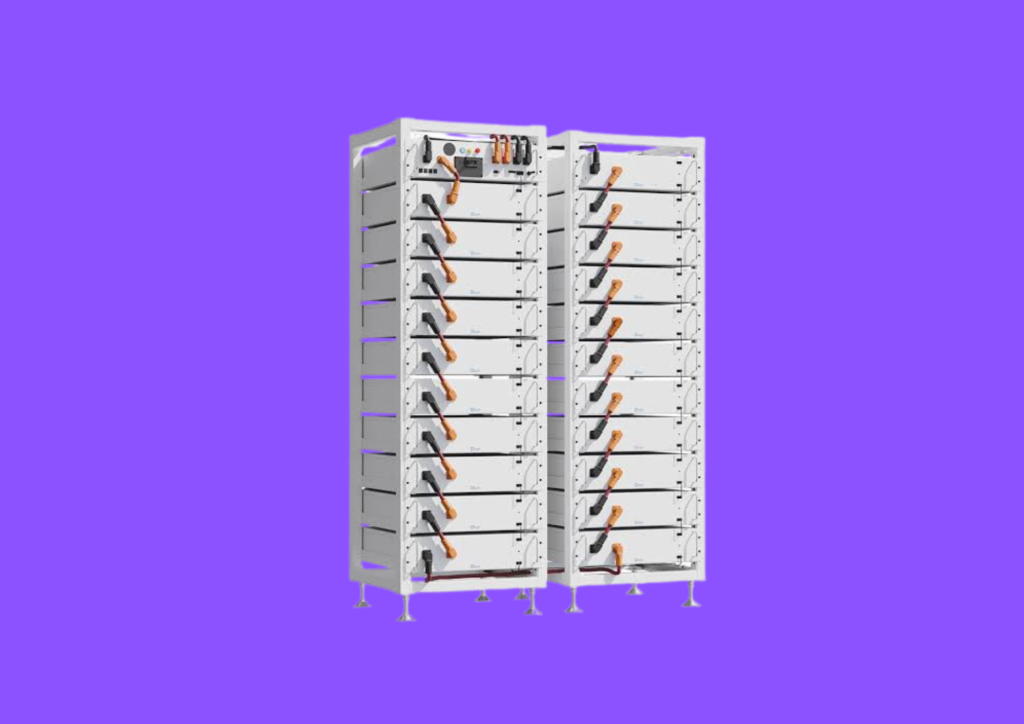
More battery capacity sounds like better backup.
However, bigger is not always better.
Many solar users make this mistake. They buy more battery capacity than needed. They expect longer backup and better performance. Instead, they may spend money unnecessarily.
This is why proper battery sizing matters.
A solar battery should match your energy needs. It should also match your inverter and solar panels. Furthermore, your daily consumption matters greatly. Your backup expectations also matter.
Therefore, how oversizing batteries can waste money deserves attention.
A correctly sized battery can provide excellent backup. It can also reduce unnecessary spending. At Jeho Ashar Energy, proper system planning starts with understanding your actual needs.
For example, a home may only need 10 kWh. Installing 30 kWh could create unnecessary costs. The extra capacity may rarely be used.
So, before buying more batteries, calculate first.
What Does Battery Oversizing Mean?
Battery oversizing means installing excessive storage capacity.
In simple terms, you have more battery than necessary.
For example, imagine a home using 8 kWh nightly. A 10 kWh battery may provide suitable backup. However, installing 30 kWh could be excessive.
The larger battery costs significantly more.
Furthermore, it may not provide proportional benefits. If the extra capacity remains unused, the investment becomes inefficient.
Battery oversizing can happen for several reasons.
Common reasons people oversize batteries
- Fear of power outages
- Poor energy consumption estimates
- Desire for longer backup
- Following unsuitable recommendations
- Buying batteries without load assessment
- Planning for unrealistic future loads
- Assuming bigger means better
However, proper system design avoids these problems.
Why Proper Battery Sizing Matters
Battery capacity affects the total system cost.
A larger battery usually means higher upfront spending. Furthermore, additional batteries may require extra cables and protection equipment.
Installation costs can also increase.
Therefore, battery sizing should never be based on guesswork.
A good system considers several factors, including:
- Daily energy consumption
- Nighttime energy usage
- Backup duration
- Solar production
- Inverter capacity
- Battery chemistry
- Battery depth of discharge
- Future energy requirements
- Available installation space
These factors work together.
Consequently, battery sizing should form part of the complete solar system design.
How Oversizing Batteries Can Waste Money
The biggest issue is simple.
You pay for capacity you rarely use.
However, the financial impact can go further.
1. Higher upfront costs
Batteries can represent a major system expense.
Adding unnecessary capacity increases the initial investment. For example, buying three batteries instead of one or two can significantly increase your project cost.
That extra money could fund other important components.
It could also improve your solar panel capacity. Additionally, you could invest in better protection equipment.
Therefore, every battery should have a purpose.
2. Unused battery capacity
Extra capacity does not automatically mean better value.
Imagine using only 7 kWh every night. You install 25 kWh of storage. Much of that capacity may remain unused.
Consequently, your investment works below its potential.
This is especially important for homes with low nighttime consumption.
3. Longer payback periods
Solar systems should provide meaningful financial value.
However, excessive battery capacity increases your investment. If the extra capacity saves little additional money, your payback period becomes longer.
For instance, adding another battery may provide only a few extra hours. Yet, that battery could cost a substantial amount.
Therefore, calculate the actual benefit first.
4. Additional installation expenses
More batteries can require more equipment.
You may need additional:
- Battery cables
- Fuses
- Breakers
- Protection devices
- Racks or mounting systems
- Communication cables
- Installation labour
Furthermore, larger systems may require more installation space.
As a result, the battery itself is not the only expense.
5. Bigger systems can become harder to manage
A larger battery bank requires proper configuration.
Battery communication must be handled correctly. The inverter must also support the battery arrangement.
Additionally, battery charging and discharging must remain properly managed.
Therefore, oversizing can create unnecessary technical complexity.
Bigger Batteries Do Have Benefits
Oversizing is not always wrong.
Sometimes, additional capacity makes sense.
For example, a property may experience long outages. It may also have significant nighttime loads.
In such situations, more battery capacity can provide useful backup.
A larger battery bank may be suitable when you have:
- Heavy nighttime loads
- Frequent power outages
- Multiple air conditioners
- Electric water heaters
- Large refrigeration loads
- Home offices
- Security systems
- Medical equipment
- Future expansion plans
However, the additional capacity should be justified.
The goal is not the biggest battery bank.
The goal is the right battery bank.
How to Calculate the Right Battery Size
Proper battery sizing starts with your energy usage.
First, identify the appliances you need during outages.
Then, estimate how long you use them.
For example:
| Appliance | Power | Daily Backup Use |
|---|---|---|
| TV | 120W | 5 hours |
| Refrigerator | 150W | 10 hours |
| Lights | 100W | 6 hours |
| Fans | 180W | 6 hours |
| Router | 15W | 10 hours |
The total energy requirement can then be estimated.
However, professional sizing should consider battery efficiency. It should also consider recommended depth of discharge and inverter losses.
Therefore, simple appliance totals are only the starting point.
Consider Your Nighttime Energy Usage
Battery systems mainly support loads when solar production is low.
Therefore, nighttime usage is extremely important.
You may produce plenty of solar energy during the day. However, your battery must cover the energy needed later.
Ask yourself:
How much electricity do I use at night?
Also ask:
Which appliances must remain powered?
This helps prevent unnecessary battery purchases.
For example, someone may use solar during the day. They may only need lighting, fans, refrigeration, and television overnight.
A huge battery bank may not be necessary.
Consider Your Backup Expectations
Your desired backup duration also matters.
Do you need backup for six hours?
Perhaps you need overnight backup.
Maybe you want one full day of autonomy.
These requirements produce different battery sizes.
Therefore, clearly define your backup expectations before purchasing batteries.
For example:
- Short outage backup requires less storage.
- Overnight backup requires moderate storage.
- Full-day backup requires more storage.
- Multi-day backup requires significantly more storage.
However, more storage also means higher costs.
Match Batteries With Your Inverter
Battery sizing cannot happen separately.
Your inverter and battery must work together.
For example, a battery bank may have enough energy capacity. However, it may not deliver enough power for your loads.
That distinction is important.
Energy capacity determines how long the battery can run loads.
Power capability determines how much load it can support.
Therefore, both factors matter.
A properly sized Deye or compatible lithium battery system should be matched carefully with the inverter.
This helps ensure stable operation.
Do Not Forget Solar Panel Capacity
Your batteries need charging.
Therefore, your solar panels must produce enough energy.
Oversized batteries can sometimes take longer to recharge. This becomes especially important during cloudy weather.
Imagine installing a very large battery bank. However, your solar array is relatively small.
The batteries may struggle to reach full charge regularly.
Consequently, you may not benefit from all that storage capacity.
This is why panels, batteries, and inverters must be designed together.
Lithium Batteries Make Proper Sizing Easier
Modern lithium batteries offer several advantages.
They provide efficient energy storage. They also support deeper usable capacity than many traditional battery technologies.
However, lithium does not eliminate the need for proper sizing.
Buying too much capacity still costs money.
For example, adding several lithium batteries simply because they are available may not be financially sensible.
Instead, calculate your actual energy requirements.
Then choose the appropriate configuration.
Jeho Ashar Energy can help customers assess their needs before selecting suitable solar batteries and inverters.
When Should You Consider Extra Battery Capacity?
Sometimes, extra capacity is a smart investment.
Consider additional batteries when your energy needs are expected to grow.
For instance, you may plan to add:
- More air conditioners
- Additional refrigerators
- Electric cooking appliances
- Water pumps
- Larger entertainment systems
- Home office equipment
- Electric vehicles
Furthermore, future business expansion may justify additional storage.
However, planned growth should be realistic.
Do not add batteries based on vague possibilities.
Instead, identify likely future loads.
Then design around them.
Signs Your Battery Bank May Be Oversized
Your battery system may be larger than necessary if:
- Batteries rarely discharge deeply.
- Large capacity remains unused daily.
- Your nighttime loads are very small.
- Solar frequently reaches full battery capacity early.
- Additional batteries provide little extra benefit.
- Your system cost is unusually high.
- You purchased capacity without a load assessment.
These signs do not automatically mean something is wrong.
However, they deserve professional review.
How to Avoid Wasting Money on Batteries
Proper planning is the easiest solution.
Before purchasing, follow these steps:
Step 1: Record your appliances
List every important appliance.
Include its power rating where possible.
Step 2: Estimate usage hours
Determine how long each appliance runs.
Focus especially on nighttime usage.
Step 3: Calculate energy consumption
Estimate your daily backup requirement.
Then add reasonable system allowances.
Step 4: Determine your backup target
Decide how many hours you need.
Also consider typical outage patterns.
Step 5: Match the inverter
Ensure the inverter can handle your expected loads.
Battery power capability must also match.
Step 6: Size the solar array
Ensure enough solar capacity exists.
The battery needs reliable charging.
Step 7: Allow reasonable future expansion
Plan for realistic future loads.
Avoid paying for unnecessary capacity today.
Step 8: Get a professional assessment
A proper site assessment can prevent costly mistakes.
It also considers installation conditions.
Why Professional Solar Design Matters
Solar systems involve multiple components.
Each component affects another.
Therefore, battery selection should never happen alone.
A professional installer can assess your:
- Energy consumption
- Appliance loads
- Solar potential
- Inverter requirements
- Battery requirements
- Installation environment
- Future expansion plans
This creates a balanced system.
Furthermore, proper design improves overall system performance.
You can learn more about professional solar solutions through Jeho Ashar Energy’s website.
A Simple Example
Consider a three-bedroom home.
The household uses around 8–10 kWh overnight.
They mainly need:
- Lighting
- Fans
- Refrigerator
- Television
- Internet router
- Security equipment
A modest battery bank may cover these loads effectively.
Now imagine installing several times that capacity.
The homeowner pays considerably more.
Yet, most of the additional storage remains unused.
Therefore, the extra investment may offer limited value.
On the other hand, a home with several air conditioners needs different planning.
Its nighttime consumption may be much higher.
Consequently, a larger battery system could make sense.
This shows why every home needs individual sizing.
Final Tips for Smarter Battery Spending
Before buying solar batteries, remember these points:
- Know your actual energy consumption.
- Focus on your critical loads.
- Calculate nighttime energy requirements.
- Define your desired backup duration.
- Match batteries with your inverter.
- Ensure enough solar charging capacity.
- Plan realistic future expansion.
- Avoid buying based on battery size alone.
- Consider usable battery capacity.
- Work with an experienced solar professional.
Above all, focus on value.
The best solar battery is not necessarily the largest.
It is the one that fits your needs.
Conclusion
Understanding how oversizing batteries can waste money is important for every solar buyer.
More capacity can provide longer backup. However, unnecessary capacity increases your investment.
Furthermore, oversized systems may require additional equipment. They can also extend the payback period.
Therefore, battery sizing should always follow your actual energy needs.
Your solar panels, inverter, and batteries should work together. The system should also match your expected backup requirements.
At Jeho Ashar Energy, proper planning can help you avoid expensive mistakes. Whether you need a home system or a larger commercial setup, the right sizing approach matters.
In short, do not buy the biggest battery system. Buy the right one.
Final Thought
A properly sized battery saves more than money.
It creates a smarter, more balanced solar system.
Learn more about quality solar solutions at https://www.abujasolar.com