Solar panels work outdoors every day. They face heat, dust, rain, wind, and sunlight. However, some conditions can create problems inside a panel.
One of those problems is a solar panel hot spot. A hot spot is a small area that becomes much hotter than the surrounding cells. It can reduce panel performance and accelerate physical damage.
In serious cases, hot spots can damage the cell. They can also affect the encapsulation and other module materials. Therefore, understanding solar panel hot spots is important for system owners and installers.
The good news is simple. Proper installation and maintenance can reduce many hot spot risks. Choosing quality panels also makes a major difference.
What Is a Solar Panel Hot Spot?
A solar panel hot spot is a localized area of excessive heating. It usually develops when part of a solar cell cannot operate normally.
Under normal conditions, solar cells generate electricity. However, a damaged, shaded, or heavily soiled cell can behave differently.
Instead of producing its expected share of power, the affected cell can become reverse-biased. It may then dissipate electrical energy as heat.
That creates a concentrated temperature increase.
According to research published through the National Renewable Energy Laboratory, partial shading and electrical mismatch can cause cells to become reverse-biased and dissipate significant power. This can lead to hot-spotting, accelerated aging, and reduced reliability.
How Do Solar Panel Hot Spots Form?
Hot spots usually begin with an uneven condition.
For example, one section of a panel may receive less sunlight. Another cell may have internal damage. Dirt can also cover a small section of the module.
Solar cells within a module are electrically connected. Therefore, one weak section can affect current flow through other cells.
When the affected cell cannot carry the expected current, it may operate in reverse bias. Instead of contributing normally, it can consume electrical energy.
That energy becomes heat.
As a result, the affected area becomes significantly hotter than the surrounding cells.
Common Causes of Hot Spots
Several problems can contribute to hot spots:
- Partial shading.
- Heavy dirt or bird droppings.
- Cracked solar cells.
- Cell manufacturing defects.
- Damaged connections.
- Poor soldering.
- Electrical mismatch.
- Failed bypass diodes.
- Physical damage to the module.
- Incorrect installation or handling.
However, the exact cause should be professionally investigated. A visible dark area does not always confirm a hot spot.
Partial Shading and Hot Spots
Partial shading is one of the most common concerns.
Imagine a tree branch casting a small shadow. Only part of one panel becomes shaded.
That small shadow can create an electrical mismatch. The shaded section produces less current than the surrounding cells.
Meanwhile, the other connected cells continue producing power. This imbalance can force the affected cell or cell group into reverse bias.
Consequently, heat can build up locally.
Research on photovoltaic hot spots shows that partial shading and mismatch can create excessive power dissipation within affected cells.
This is why installers should carefully consider nearby trees, buildings, poles, walls, and other structures before installing solar panels.
Can Dirt Cause Hot Spots?
Yes, heavy localized dirt can contribute.
Dust normally reduces sunlight reaching the panel. However, uneven dirt creates a more serious mismatch.
For instance, imagine most of a panel is clean. One section is covered by thick dust or bird droppings.
That section receives much less sunlight. Therefore, its electrical output can fall compared with surrounding cells.
The resulting mismatch can increase hot-spot risk.
JinkoSolar specifically identifies dust accumulation as a potential contributor to temperature increases and hot spots. The company also notes that localized contamination can affect module output and accelerate degradation.
Regular inspection is therefore important, especially in dusty environments.
Damaged Cells Can Create Hot Spots
Physical damage can also create problems.
Solar panels are designed for outdoor conditions. However, they can still be damaged by impacts, improper handling, extreme mechanical stress, or other events.
A cell may develop a crack that is difficult to see. The panel may continue producing electricity after the damage occurs.
However, the electrical behavior can change.
Over time, the damaged section may create localized heating. Therefore, a panel can appear normal while still developing an internal problem.
This is one reason professional testing matters.
The Role of Bypass Diodes
Bypass diodes are important safety components inside many solar modules.
They help manage current when part of a module experiences shading or mismatch. When conditions require it, a bypass diode can allow current to bypass an affected cell group.
This helps limit some of the power loss caused by shading.
However, bypass diodes do not make hot spots impossible.
Research has shown that bypass diodes may not completely prevent excessive power dissipation in every mismatch situation.
JinkoSolar installation documentation also confirms that its modules contain factory-installed bypass diodes and warns that incorrect connections can damage the diodes, cables, or junction box.
Therefore, correct installation remains essential.
Why Are Solar Panel Hot Spots Dangerous?
Hot spots are more than an efficiency problem.
A localized temperature increase can damage the affected cell. Continued heating can also accelerate degradation within the module.
In severe cases, damaged materials can create safety concerns.
JinkoSolar describes hot spots as a critical PV module defect because they can cause sharp local temperature increases, material damage, and potential fire risks.
This does not mean every hot spot will cause a fire. However, it does mean that persistent hot spots should not be ignored.
Early inspection is always preferable.
Signs of a Solar Panel Hot Spot
Hot spots are not always visible from the ground.
Some signs may include:
- Unexpected power reduction.
- A persistent mismatch in one panel.
- Visible discoloration.
- Burn marks.
- Damaged areas on the module.
- Cracked glass or cells.
- Localized browning.
- Unusual temperature differences.
However, visual inspection alone is not enough.
A panel may look perfectly normal while having an internal electrical issue.
Thermal Imaging Can Help
Thermal cameras can reveal temperature differences across a solar module.
A healthy panel should generally have relatively consistent thermal behavior under comparable conditions.
A significantly hotter area can indicate a potential problem.
Thermal inspection is particularly useful for larger installations. It can help technicians identify problem modules without removing them from the system.
However, thermal results must be interpreted correctly. Sunlight, wind, shading, reflections, and operating conditions can affect temperatures.
Therefore, qualified technicians should handle detailed diagnosis.
How to Prevent Solar Panel Hot Spots
Prevention begins before installation.
A properly designed system reduces many avoidable risks.
1. Avoid Partial Shading
Check the site throughout the day.
Look for:
- Trees.
- Buildings.
- Water tanks.
- Poles.
- Walls.
- Nearby structures.
Also consider how shadows change throughout the year.
2. Keep Panels Clean
Do not allow heavy dirt to accumulate.
Cleaning schedules should match the environment. Dusty locations may require more frequent attention.
However, cleaning should be done safely. Avoid harsh tools that can scratch the glass.
3. Handle Panels Carefully
Never walk on solar modules.
Avoid dropping or striking panels during installation. Mechanical stress can damage cells even when the damage is not immediately visible.
4. Use Proper Installation Practices
Correct wiring matters.
Connectors must be compatible and properly secured. Cables should also be routed correctly.
JinkoSolar’s installation guidance emphasizes appropriate cable sizing, connector capacity, grounding, and string protection.
5. Choose Quality Solar Panels
Panel quality affects long-term reliability.
Look for established manufacturers and clear technical documentation. Also review product warranties and certification information.
For example, JinkoSolar’s current product portfolio includes N-type TOPCon modules with features aimed at improving performance, durability, and hot-spot control.
Still, no panel should be treated as completely immune to hot spots.
Installation and maintenance remain important.
Why Hot Spots Matter in Nigeria
Solar panels in Nigeria operate in demanding outdoor conditions.
Heat can be significant. Dust can also accumulate quickly in some locations.
Meanwhile, trees and nearby structures may create partial shading. Poor cleaning practices can further increase localized soiling.
Therefore, solar system owners should pay attention to panel condition.
A system may continue producing electricity while gradually losing performance.
For example, a commercial installation may have 100 panels. If one or several panels develop serious issues, the overall system can experience avoidable losses.
Regular monitoring can help identify unusual performance early.
What Should You Do If You Suspect a Hot Spot?
Do not attempt to repair the panel yourself.
Solar panels can produce dangerous DC voltage even when the inverter is switched off.
Instead, contact a qualified solar professional.
The technician may:
- Review system monitoring data.
- Inspect the panel visually.
- Check electrical connections.
- Perform thermal imaging.
- Test affected strings.
- Inspect bypass diode behavior.
- Compare panel performance.
- Recommend repair or replacement.
If a panel shows burn marks or serious physical damage, treat the situation carefully.
Do not touch damaged electrical components without proper procedures.
Solar Panel Quality and System Design Matter
Hot spots are rarely solved by looking at the panel alone.
The entire solar system matters.
Panel quality, inverter configuration, cable sizing, shading, mounting, cleaning, and maintenance all affect performance.
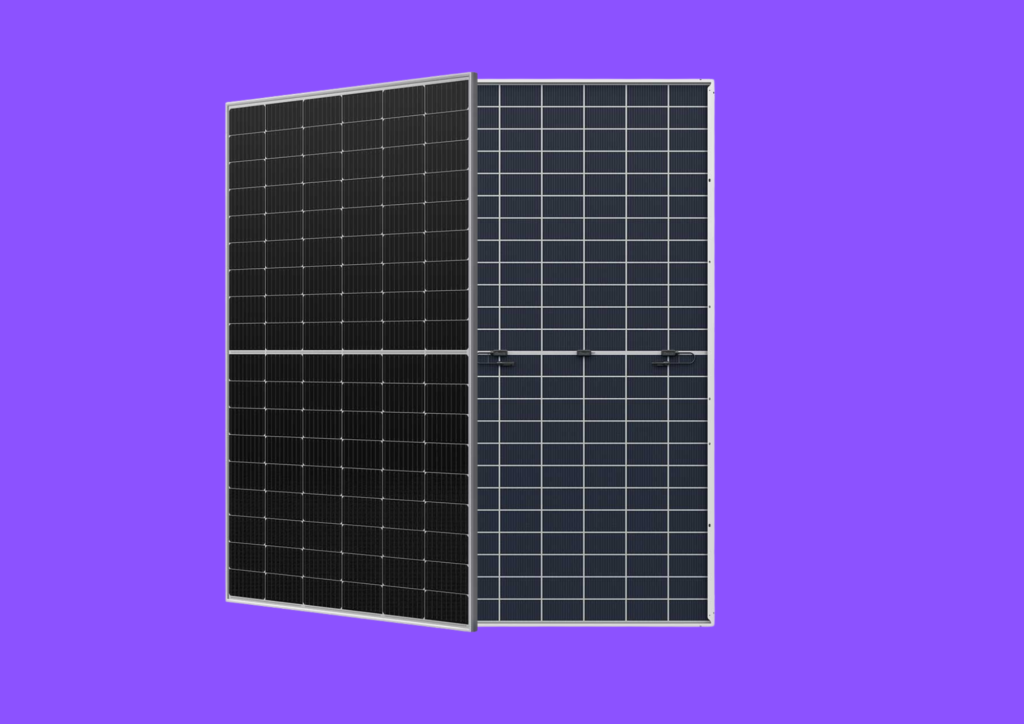
At Jeho Ashar Energy, customers can source quality solar equipment for residential, commercial, and industrial applications. The product range includes Jinko solar panels, Deye hybrid and high-voltage inverters, lithium batteries, rails, cables, and protective devices.
Quality equipment also needs professional system design.
A well-designed installation can reduce avoidable electrical and environmental problems.
You can explore solar solutions and products through https://www.abujasolar.com.
Final Tips for Solar Panel Owners
To reduce hot-spot risks, remember these simple practices:
- Inspect panels regularly.
- Keep heavy dirt under control.
- Watch for new shading.
- Avoid walking on panels.
- Check for visible damage.
- Monitor unusual power losses.
- Use compatible connectors.
- Maintain proper grounding.
- Use correctly sized cables.
- Schedule professional inspections.
- Replace seriously damaged modules.
Most importantly, do not ignore sudden performance changes.
A small problem can become more expensive later.
Conclusion
Solar panel hot spots happen when localized areas become excessively hot. They often involve shading, soiling, cell damage, electrical mismatch, or component problems.
The issue can reduce energy production. More importantly, prolonged heating can accelerate module degradation and create safety concerns.
Fortunately, many risks can be reduced through proper design and maintenance. Regular cleaning, careful installation, shading control, quality equipment, and professional inspections all help.
For solar owners, early detection is especially valuable. Finding a problem early can protect both system performance and equipment life.
Final Thought
A solar panel should produce power consistently. Unusual heating should never be ignored.
Regular monitoring keeps small problems from becoming major ones. Good equipment and professional maintenance make that process easier.
Learn more about quality solar solutions at https://www.abujasolar.com