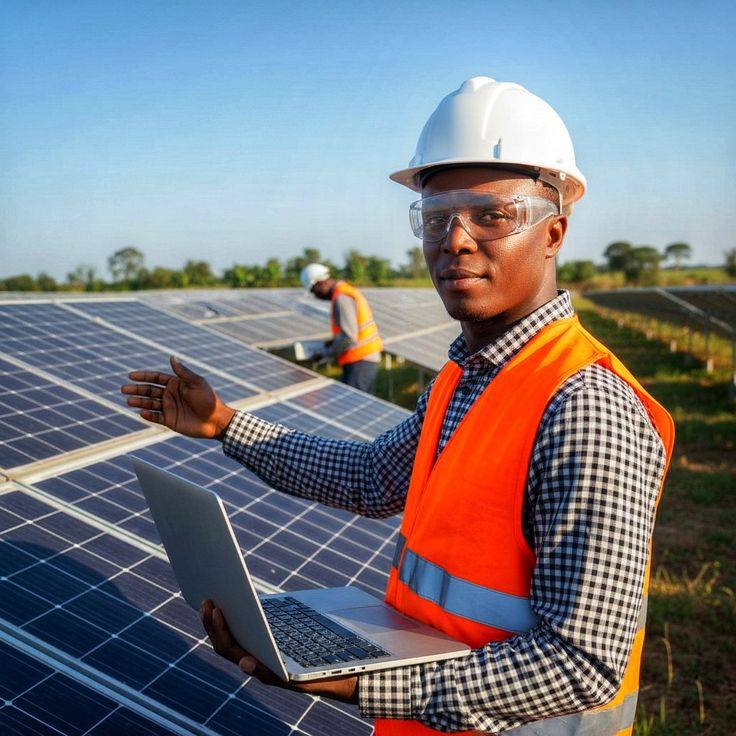
Solar panels are built to last for decades. However, like most technology, they do not maintain 100% of their original performance forever. Over time, every solar panel experiences a small and gradual decline in power output. This natural process is known as solar panel degradation.
Many people hear the word “degradation” and assume something is wrong with their solar system. Fortunately, that is not the case. A slight reduction in performance is expected and happens very slowly. Understanding solar panel degradation helps you choose quality products, set realistic expectations, and protect your long-term investment.
In this guide, we will explain what solar panel degradation is, what causes it, how it affects energy production, and why premium panels like Jinko Solar are designed to minimize its impact.
What Is Solar Panel Degradation?
Solar panel degradation refers to the gradual reduction in a panel’s ability to generate electricity over time.
When a solar panel is brand new, it operates close to its rated power under standard test conditions. As the years pass, its output slowly decreases due to normal aging and environmental exposure.
This process is completely normal and happens with every solar panel. However, the rate of degradation varies depending on the quality of the panel and the technology used.
Why Does Solar Panel Degradation Matter?
Understanding degradation helps you estimate how much electricity your solar system will produce in the future.
A lower degradation rate means:
- More electricity over time
- Better long-term savings
- Higher return on investment
- Greater system reliability
- Improved property value
Therefore, choosing high-quality solar panels can make a significant difference over the lifetime of your system.
What Causes Solar Panel Degradation?
Several factors contribute to the gradual decline in solar panel performance.
1. Exposure to Sunlight
Solar panels spend years under constant sunlight.
While they are designed for this purpose, continuous exposure slowly affects the solar cells.
Fortunately, premium panels are engineered to minimize this effect.
2. High Temperatures
Hot climates can accelerate the aging process.
Countries like Nigeria experience high temperatures for much of the year. Therefore, selecting panels with excellent temperature performance is especially important.
3. Weather Conditions
Solar panels are exposed to:
- Rain
- Wind
- Dust
- Humidity
- Temperature changes
Over many years, these environmental conditions contribute to gradual wear.
4. Mechanical Stress
Strong winds and heavy loads place stress on solar panels.
High-quality frames and durable construction help reduce long-term damage.
5. Material Quality
Not all solar panels are manufactured to the same standard.
Premium manufacturers use better materials and advanced production methods, resulting in lower degradation rates.
Types of Solar Panel Degradation
There are several forms of degradation that can affect solar panels.
Light-Induced Degradation (LID)
Some solar cells experience a small reduction in performance shortly after their first exposure to sunlight.
Modern technologies have significantly reduced this effect.
Potential-Induced Degradation (PID)
PID occurs when electrical leakage affects panel performance over time.
Many premium panels include Anti-PID technology to prevent this issue.
Age-Related Degradation
This is the normal decline in performance that occurs gradually over decades.
It is expected and usually covered by long-term performance warranties.
How Much Do Solar Panels Degrade?
The exact degradation rate depends on the manufacturer and panel technology.
Premium solar panels are designed to lose only a small percentage of performance each year.
As a result, many quality panels continue producing reliable electricity for more than 25 years.
Lower-quality panels, however, may degrade more quickly and produce less energy over time.
How Jinko Solar Reduces Degradation
Jinko Solar is recognized globally for producing high-performance solar panels with excellent long-term reliability.
Many Jinko panels feature advanced technologies that help minimize degradation.
These include:
- N-Type Mono Technology
- HOT 3.0 Technology
- SMBB Technology
- Anti-PID Protection
- Bifacial Technology on selected models
- Advanced cell design
Together, these innovations help maintain higher energy production throughout the panel’s lifespan.
Why N-Type Panels Perform Better
Many modern Jinko panels use N-Type solar cells.
Compared with older technologies, N-Type panels generally offer:
- Lower degradation
- Higher efficiency
- Better temperature performance
- Longer service life
- Improved low-light performance
Consequently, they continue delivering strong energy output for many years.
How Degradation Affects Your Electricity Bills
Some people worry that degradation will dramatically increase their electricity costs.
In reality, degradation happens gradually.
A professionally designed solar system continues producing significant amounts of electricity throughout its operating life.
As a result, homeowners and businesses still enjoy substantial savings over many years.
Practical Example
Imagine two commercial buildings installing solar systems.
Building A installs premium Jinko Solar panels.
Building B installs lower-quality panels.
Both systems perform well initially. However, after many years, the premium Jinko panels continue producing a higher percentage of their original output. Meanwhile, the lower-quality panels experience greater performance loss.
Consequently, Building A generates more electricity and achieves better long-term value.
Can You Prevent Solar Panel Degradation?
Degradation cannot be completely eliminated.
However, you can slow its impact by following good maintenance practices.
Best Practices
- Buy premium solar panels.
- Hire qualified installers.
- Keep panels clean.
- Inspect the system regularly.
- Trim nearby trees.
- Replace damaged components promptly.
- Monitor system performance.
- Schedule professional maintenance.
These simple steps help your system operate efficiently throughout its lifespan.
Why Quality Installation Matters
Even the best solar panels require proper installation.
A professionally installed system ensures:
- Correct panel orientation
- Secure mounting
- Proper ventilation
- Safe electrical connections
- Maximum energy production
Good installation also reduces unnecessary stress on system components.
Why Choose Jeho Ashar Energy?
Selecting premium solar panels is only one part of building a dependable solar system. Proper design, expert installation, and genuine components are equally important.
Jeho Ashar Energy supplies genuine Jinko Solar panels, Deye hybrid inverters, lithium batteries, mounting structures, cables, and protection devices for residential, commercial, and industrial projects. Every system is carefully designed to maximize efficiency, reduce long-term performance loss, and deliver dependable energy for decades.
In addition, the experienced team provides professional load assessment, system design, installation, and after-sales support. Whether you are installing a new solar system or expanding an existing one, you can explore trusted products and expert services at https://www.abujasolar.com.
Common Myths About Solar Panel Degradation
Several misconceptions often discourage people from investing in solar energy.
Let’s clarify a few of them.
Myth: Solar panels stop working after a few years.
Fact: Quality panels continue producing electricity for decades.
Myth: Degradation means the panel is faulty.
Fact: Slow performance reduction is a normal part of aging.
Myth: All solar panels degrade at the same rate.
Fact: Premium panels generally experience much lower degradation than lower-quality alternatives.
Understanding these facts helps you make informed purchasing decisions.
Conclusion
Understanding solar panel degradation is essential before investing in solar energy. Every solar panel experiences a gradual reduction in performance over time. However, premium products are engineered to keep that reduction as low as possible. By choosing high-quality panels, maintaining your system properly, and working with experienced professionals, you can enjoy reliable electricity and long-term savings for many years.
Jinko Solar panels combine advanced technologies, durable construction, and excellent long-term performance, making them an outstanding choice for homeowners and businesses seeking dependable clean energy.
Final Thought
Solar panel degradation is natural, but it should never discourage you from switching to solar. Choosing premium panels from trusted suppliers ensures your investment continues delivering reliable power and excellent value for decades.
Learn more about quality solar solutions at https://www.abujasolar.com