
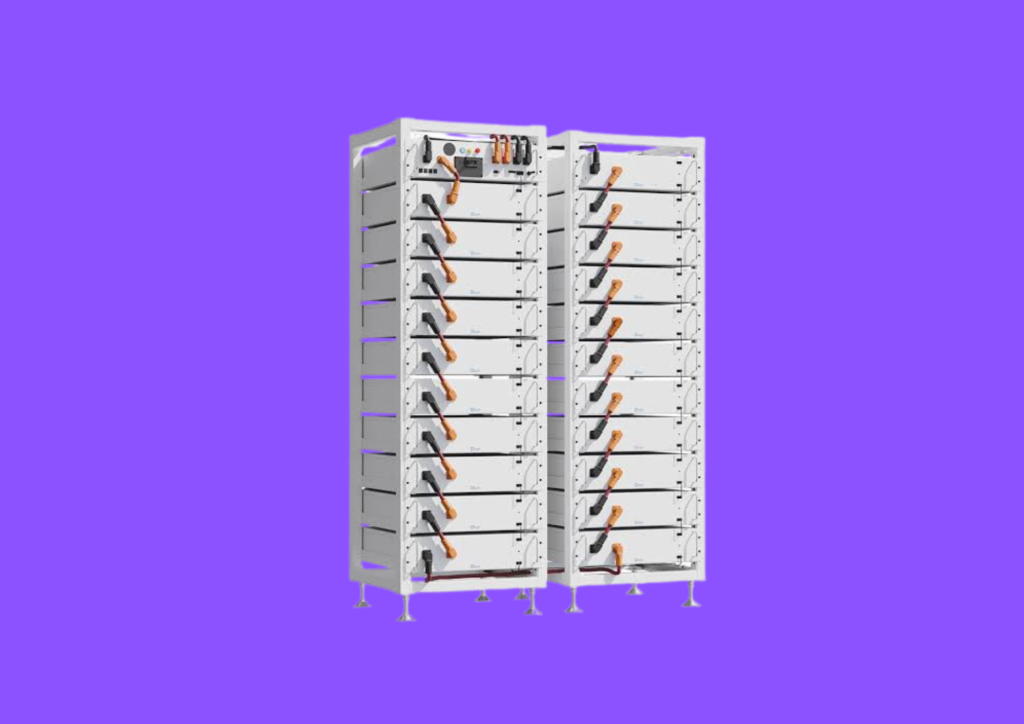
You charge your batteries during daylight. Yet, they die before morning. This can be frustrating for any solar user.
However, short backup time has many causes. The battery itself may not always be responsible. Your energy usage, battery size, solar production, and inverter settings can all matter.
Furthermore, battery age can affect performance. Poor installation can create additional problems. Consequently, finding the real cause is important.
Understanding why your batteries don’t last through the night can save you money. It can also prevent unnecessary battery replacement.
This guide explains the most common causes. It also provides practical ways to improve overnight backup.
What Should Happen During the Night?
Solar panels usually produce energy during daylight. That energy can power appliances directly.
Excess energy can charge the batteries. At night, the batteries supply stored energy.
Therefore, your battery should provide enough energy for expected nighttime loads.
However, backup duration depends on several factors.
These include:
- Battery capacity
- Appliance consumption
- Battery age
- Depth of discharge
- Inverter efficiency
- Solar charging
- Battery temperature
- System configuration
Consequently, there is no universal backup duration.
1. Your Battery Capacity May Be Too Small
One common cause is insufficient battery capacity.
For example, imagine you have a 10kWh battery. Your home consumes 8kWh overnight.
The battery will discharge significantly.
However, suppose your household actually needs 12kWh. The battery cannot supply that demand fully.
Therefore, the problem may be battery sizing.
A larger battery bank provides more stored energy. It can also reduce excessive daily discharge.
Consider Your Actual Energy Needs
Before increasing battery capacity, calculate your nighttime consumption.
Consider appliances such as:
- Refrigerators
- Freezers
- Air conditioners
- Televisions
- Fans
- Lighting
- Internet routers
- Security systems
- Water pumps
Additionally, remember small appliances.
Their combined consumption can become significant.
2. Your Appliances Consume Too Much Power
Your battery may be working correctly.
The real problem could be your appliances.
High-energy appliances can quickly reduce stored energy. Air conditioners are particularly important.
Electric heaters and kettles can also consume substantial power.
For example, running an air conditioner overnight can significantly increase battery demand.
Consequently, your battery percentage may fall quickly.
Identify Your Biggest Loads
Check which appliances operate overnight.
Then ask whether they are necessary.
You may discover that unnecessary loads are consuming valuable energy.
Therefore, reducing nighttime consumption can improve backup duration.
3. Your Battery Is Not Fully Charged
Sometimes, the battery simply starts the night partially charged.
For example, your battery may show 100% after several sunny days. However, prolonged cloudy weather can reduce solar generation.
The battery may then reach only 70% during the day.
Consequently, you have less energy available overnight.
This can make the battery appear to drain unusually fast.
Check Your Daytime Charging
Monitor the battery during daylight.
Check whether it regularly reaches the expected charge level.
If it does not, investigate the solar side.
Possible causes include:
- Cloudy weather
- Heavy rain
- Panel shading
- Dirty panels
- Faulty connections
- Insufficient solar capacity
- Damaged panels
Therefore, battery performance depends on solar generation.
4. Your Solar Panels May Be Undersized
Your battery needs enough energy for charging.
If your solar array is too small, charging may take longer.
It may also fail to fully recharge the battery.
For example, a large battery bank needs sufficient solar generation.
Adding more storage without enough solar production may not solve the problem.
Therefore, solar generation and battery storage should work together.
5. Your Battery May Be Aging
Lithium batteries gradually lose capacity.
This is normal battery degradation.
As the battery ages, its usable energy can decrease.
For example, an older battery may not provide the same backup duration as before.
However, sudden capacity loss should not be ignored.
Possible causes include:
- High cycle count
- Excessive heat
- Frequent deep discharge
- Incorrect charging
- Battery faults
Therefore, battery age should always be considered.
6. Your Depth of Discharge Is Too High
Depth of Discharge refers to battery usage.
For example, using 80% of capacity means approximately 80% DoD.
Repeated deep discharge can increase battery stress.
Modern lithium batteries can handle substantial cycling. However, manufacturer limits should always be respected.
Therefore, avoid unnecessary deep discharge.
A larger battery can help reduce daily DoD.
7. Your Inverter Settings May Be Wrong
The inverter controls important battery functions.
Incorrect settings can affect charging and discharging.
For example, unsuitable battery parameters can cause inefficient operation.
Lithium batteries should use appropriate charging settings.
Furthermore, compatible batteries should communicate correctly with the inverter.
Deye lithium batteries can be paired with compatible Deye inverter systems.
However, proper configuration remains essential.
Never change technical settings without understanding them.
8. Your Battery May Have High Standby Loads
Some appliances consume electricity continuously.
These are often called standby loads.
For example:
- Wi-Fi routers
- Television decoders
- Security systems
- Chargers
- Smart appliances
- Network equipment
Each device may consume little energy.
However, many devices together can create significant consumption.
Therefore, switch off unnecessary equipment.
This can improve overnight battery performance.
9. Your Inverter May Be Powering Hidden Loads
Sometimes, you may not realize what is connected.
A pump or refrigerator could operate automatically.
A water heater could also switch on unexpectedly.
Therefore, monitor your inverter’s load display.
Look for unexpected increases.
For example, a system normally showing 1kW may suddenly show 4kW.
That increase requires investigation.
10. Your Battery Temperature May Be Affecting Performance
Battery temperature matters.
Excessive heat can accelerate battery aging. Extreme temperatures can also affect battery performance.
Therefore, battery installation location is important.
Avoid placing batteries near heat sources.
Keep the installation environment suitable.
Always follow the battery manufacturer’s installation requirements.
11. Your Battery May Have Reached Its Protection Limit
Lithium batteries have protection systems.
The Battery Management System, or BMS, monitors battery conditions.
It can protect against:
- Overcharging
- Excessive discharge
- High temperature
- Excessive current
- Cell imbalance
Therefore, the battery may shut down intentionally.
This is a protective feature.
If shutdowns happen frequently, investigate the cause.
Do not bypass battery protection systems.
12. Your Cables May Be Incorrectly Sized
Cables carry energy between components.
Incorrect cable sizing can create voltage drops.
Poor connections can also create losses.
Furthermore, loose connections can become dangerous.
Therefore, battery cables should match system requirements.
A professional installer should inspect suspicious connections.
Never modify high-current battery wiring casually.
How To Check Why Batteries Don’t Last
You can start with simple observations.
Step 1: Check Battery Capacity
Know your battery’s rated capacity.
Then determine its usable capacity.
Step 2: Check Battery Percentage
Record the battery level at sunset.
Check it again during the night.
This provides useful information.
Step 3: Check Your Nighttime Load
Look at your inverter display.
Record your average nighttime load.
Step 4: Check Solar Charging
Monitor daytime solar production.
Confirm that the battery charges properly.
Step 5: Check Battery Age
Determine how old the battery is.
Also consider its cycle history.
Step 6: Inspect System Settings
Check the inverter configuration.
Confirm that settings match battery requirements.
Step 7: Get Professional Assistance
If the problem continues, seek professional testing.
Do not attempt dangerous electrical repairs.
How To Make Batteries Last Longer
Several habits can improve battery performance.
Reduce Unnecessary Loads
Turn off appliances you don’t need.
Avoid Excessive Deep Discharge
Use recommended battery settings.
Improve Solar Generation
Keep panels clean and unobstructed.
Monitor Your System
Check battery and inverter performance regularly.
Use Compatible Equipment
Match batteries with compatible inverters.
Maintain Proper Installation
Keep cables and connections secure.
Plan For Future Energy Needs
Consider future appliance additions.
These steps can improve system reliability.
Should You Buy More Batteries?
Sometimes, additional batteries are necessary.
If your energy demand has increased, your existing battery bank may be too small.
For example, you may have added another air conditioner.
Consequently, your previous storage capacity may no longer be enough.
Adding compatible lithium batteries can increase backup capacity.
However, expansion requires proper planning.
Check battery compatibility, inverter limits, BMS communication, and wiring.
Therefore, never connect batteries without professional guidance.
Should You Add More Solar Panels?
Additional batteries may not solve every problem.
Your solar panels must generate enough energy to recharge them.
For example, doubling battery capacity without increasing solar generation can extend charging time.
Therefore, assess both storage and generation.
Sometimes, additional panels provide a better solution.
Lithium Batteries Can Improve Overnight Backup
Lithium batteries are popular for modern solar systems.
They offer high usable capacity and strong cycling performance.
Furthermore, many lithium batteries require less routine maintenance.
Deye lithium battery systems are suitable for various solar applications.
However, battery quality remains important.
Installation quality also matters greatly.
A properly designed system can provide reliable overnight power.
Why Choose Jeho Ashar Energy?
A good solar system requires compatible components.
Jeho Ashar Energy supplies Deye lithium batteries, Deye inverters, Jinko solar panels, cables, rails, and protection devices.
These products support residential and commercial applications.
Furthermore, proper system sizing helps prevent battery problems.
The right battery should match your energy demand.
The solar array should also provide sufficient charging energy.
You can explore solar solutions from Jeho Ashar Energy at https://www.abujasolar.com.
When Should You Contact A Professional?
Contact a qualified technician when problems persist.
Professional inspection becomes especially important when:
- Battery shuts down unexpectedly
- Backup time drops suddenly
- Battery shows warning codes
- Battery becomes unusually hot
- Inverter displays unusual faults
- Charging becomes inconsistent
- Battery capacity drops significantly
Do not open lithium battery enclosures yourself.
These systems can contain dangerous electrical energy.
Therefore, safety should always come first.
Conclusion
Understanding why your batteries don’t last through the night starts with proper diagnosis.
The battery may be undersized. Your appliances may also consume too much energy.
Furthermore, poor solar charging can reduce available storage. Aging batteries, incorrect settings, and high standby loads can contribute too.
Therefore, don’t immediately replace your battery.
First, check your nighttime consumption. Then inspect battery capacity and solar production.
Also, verify your inverter configuration.
A properly sized system can provide better overnight backup. Regular monitoring can also prevent unnecessary problems.
Final Thought
Your battery may not be failing.
Sometimes, your energy demand simply exceeds available storage.
Understand your consumption first. Then build your solar system around it.
Learn more about quality solar solutions at https://www.abujasolar.com